
When to Visit Kanha National Park for the Best Tiger Safari Experience
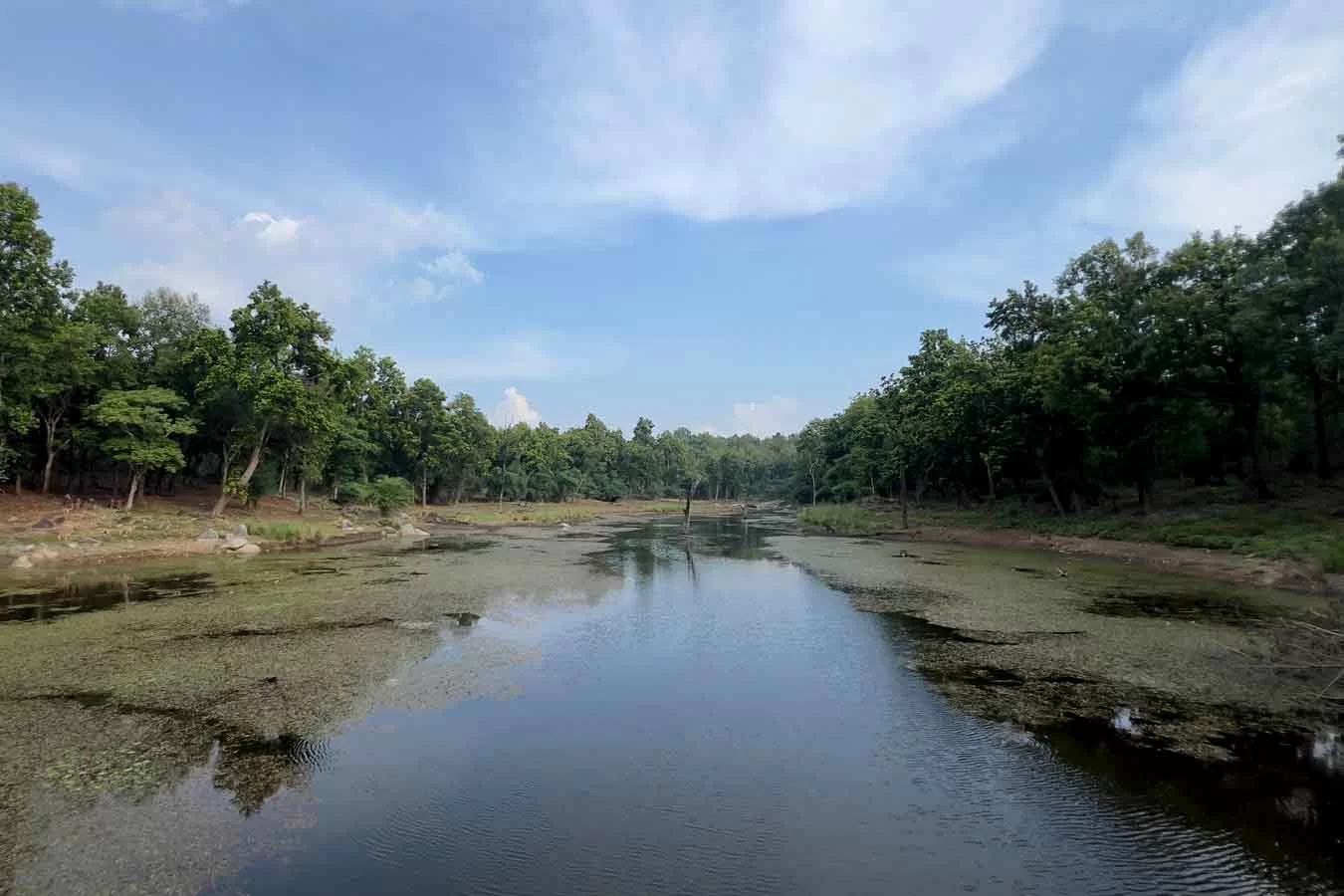
Planning a tiger safari in Madhya Pradesh? Choosing the right time to travel can make a significant difference to your wildlife holiday. Kanha National Park is known for its beautiful sal forests, open meadows, diverse wildlife and opportunities to observe Bengal tigers in their natural habitat.
The best time to visit Kanha National Park for tiger safari depends on your preferences. Some visitors prefer cooler weather and green forest landscapes, while wildlife enthusiasts often consider the warmer months when animals may gather around available water sources.
The regular tourism season at Kanha generally runs from 15 October to 30 June, subject to official park notifications. During this period, forest conditions change from lush greenery after the monsoon to drier landscapes during summer.
This guide explains the Kanha safari season month by month, what to expect during each period and how to plan a comfortable wildlife trip.
What Is the Best Time to Visit Kanha National Park for Tiger Safari?
For visitors whose main interest is observing tigers, March to May is often a preferred period because the forest becomes drier and wildlife may visit remaining water sources more frequently.
However, travellers who prioritise comfortable weather may prefer November to February, when daytime temperatures are generally pleasant.
The right choice depends on your interests.
| Travel period | Weather | Safari experience | Suitable for |
|---|---|---|---|
| October–November | Generally pleasant | Green landscapes after monsoon | Nature lovers and families |
| December–February | Cool to cold mornings | Comfortable daytime wildlife drives | Families and first-time visitors |
| March–April | Increasingly warm | Drier vegetation and changing wildlife activity | Wildlife enthusiasts |
| May–June | Hot to very hot | Dry forest landscapes and water-source activity | Heat-tolerant wildlife photographers |
| July–September | Monsoon rainfall | Regular core-zone safaris generally closed | Not suitable for regular core-zone safari planning |
Although the warmer months can provide interesting wildlife-viewing conditions, no particular month guarantees tiger sightings.
Tigers move freely throughout their habitat, and their appearance depends on natural behaviour, weather and forest conditions.
Understanding the Kanha National Park Safari Season
Kanha Tiger Reserve is located in the Mandla and Balaghat districts of Madhya Pradesh.
Its landscape includes sal forests, grasslands, bamboo vegetation and natural water sources.
The Kanha National Park safari season generally extends from mid-October to the end of June.
The park experiences three broad seasonal conditions:
Winter: October to February
Winter offers relatively comfortable daytime weather, although early mornings can be very cold.
It is a suitable season for travellers who want to enjoy the forest without the intense summer heat.
Summer: March to June
Temperatures rise during summer, and parts of the forest become drier.
Some wildlife may become easier to observe around open areas and available water sources. However, sightings remain unpredictable.
Monsoon: July to September
Regular core-zone tourism generally remains closed during the main monsoon period.
Rainfall affects forest tracks and safari operations. Certain buffer tourism arrangements may differ according to official notifications.
Always check the current operating schedule before travelling.
Best Time for Tiger Safari in Kanha: Month-by-Month Guide
Understanding the conditions of each month can help you select travel dates according to your preferences.
October: Explore the Forest After Monsoon
Kanha's regular tourism season generally begins on 15 October.
The forest can appear green following the monsoon, creating beautiful scenery for nature enthusiasts and photographers.
October can be suitable for visitors who enjoy landscape photography, birdwatching and exploring the forest in relatively pleasant weather.
Dense vegetation in some areas may make certain wildlife observations more challenging.
Best for: Forest scenery, birdwatching and nature photography.
November: Comfortable Weather for Jungle Safaris
November is a pleasant month for many travellers visiting Kanha.
Daytime weather is generally comfortable, while mornings begin to become cooler.
This makes November worth considering for families, couples and visitors planning their first jungle safari.
Best for: Family travel and comfortable forest exploration.
December: Enjoy a Winter Wildlife Holiday
December brings cooler weather and cold mornings.
Visitors planning an early morning safari should carry warm clothing, especially jackets, gloves and comfortable layers.
The forest offers opportunities to observe wildlife, enjoy peaceful surroundings and experience winter landscapes.
December can also attract holiday travellers, so checking permits and accommodation in advance is advisable.
Best for: Winter holidays and family safari trips.
January: Cold Mornings and Peaceful Forest Landscapes
January is among the coldest months in Kanha.
Early morning temperatures can be low, and frost may occur in some conditions.
Carry sufficient warm clothing when leaving your accommodation for a morning safari.
Although the weather is colder, visitors can still enjoy wildlife observation and nature photography.
Best for: Travellers who enjoy winter weather and comfortable afternoons.
February: A Balance Between Winter and Summer
February generally provides a transition from colder winter conditions towards warmer weather.
Daytime temperatures become more comfortable, while mornings may remain cool.
It can be a suitable period for families, couples and wildlife enthusiasts who prefer avoiding peak summer heat.
Best for: Comfortable weather and general wildlife photography.
March: The Beginning of Warmer Safari Conditions
March marks a noticeable change in forest conditions.
As temperatures rise, vegetation begins to dry in some areas, and animal activity around certain water sources may become more noticeable.
For wildlife enthusiasts, March can offer a balance between relatively manageable temperatures and changing forest visibility.
Best for: Travellers interested in wildlife observation without peak summer heat.
April: A Popular Choice for Tiger Enthusiasts
April is often considered an interesting month for tiger safaris in Kanha.
As the weather becomes hotter and the forest dries, animals may visit available water sources.
Reduced vegetation density in some areas can also improve visibility.
However, tiger sightings remain dependent on natural movement rather than the season alone.
Best for: Wildlife enthusiasts and photographers comfortable with warm weather.
May: Hot Weather and Dry Forest Conditions
May is one of the hottest months in the Kanha region.
As seasonal water availability changes, wildlife may gather near remaining water bodies.
This is one reason some experienced wildlife enthusiasts prefer summer safaris.
However, the heat can be uncomfortable, particularly during afternoon drives.
Carry sufficient drinking water, wear comfortable clothing and follow your guide's instructions.
Best for: Wildlife-focused visitors who can tolerate high temperatures.
June: The Final Weeks of the Regular Tourism Season
June is generally hot, with the monsoon approaching the region.
The regular tourism season normally continues until 30 June, subject to official restrictions and weather-related changes.
Visitors travelling during this month should confirm the operating schedule before finalising their plans.
Best for: Travellers who can manage hot and changing weather conditions.
When Are Tiger Sightings in Kanha National Park More Likely?
Many travellers choose their safari dates with the hope of seeing a Bengal tiger.
However, tiger sightings in Kanha National Park cannot be predicted with certainty.
During the warmer months, the forest becomes drier and animals may visit available water sources more frequently.
This can create favourable observation opportunities in certain locations, but it does not mean that every safari will include a tiger sighting.
Several factors influence wildlife observation:
-
Natural animal movement
-
Weather and temperature
-
Availability of water
-
Forest vegetation
-
Assigned safari route
-
Time of day
-
Animal behaviour
Rather than focusing entirely on tigers, visitors should also enjoy Kanha's other wildlife.
The reserve is home to hard-ground barasingha, Indian gaur, spotted deer, sambar, wild dogs, leopards and numerous bird species.
Observing these animals and their habitat is an important part of the safari experience.
Morning vs Evening Safari: Which Is Better for Tiger Viewing?
Kanha generally offers morning and afternoon safari sessions during its regular tourism season.
Both provide different opportunities to experience the forest.
Morning Jungle Safari
Morning safaris begin early, according to the official seasonal entry schedule.
Temperatures are generally cooler, and visitors can experience the forest during the first part of the day.
Morning drives can be particularly pleasant during warmer months.
Evening Jungle Safari
Evening safaris take place during the afternoon and conclude according to the applicable exit time.
The changing light offers a different photography experience.
During summer, afternoon sessions may involve significant heat, so adequate preparation is important.
Which Session Should You Choose?
Neither session guarantees better tiger sightings on every day.
If your time and budget allow, consider booking both morning and evening safaris on different rounds.
This gives you opportunities to experience varying forest conditions and wildlife activity.
For the latest timings, visit the official Madhya Pradesh Forest Department booking portal.
Which Kanha Safari Zone Should You Choose?
Kanha Tiger Reserve has four main core tourism zones:
Kanha Zone
Known for its forest landscapes and open meadows, the Kanha Zone offers opportunities to observe wildlife across varied habitats.
Kisli Zone
Kisli offers forest tracks and natural landscapes that support a variety of wildlife species.
Mukki Zone
Mukki provides access to another part of the reserve's forest environment and is popular among wildlife enthusiasts.
Sarhi Zone
Sarhi offers a different forest landscape and an opportunity to explore another tourism area of Kanha.
The reserve also has designated buffer tourism areas, including Khatia, Khapa and Sijhora.
No single safari zone can guarantee a tiger sighting.
Choose your zone based on permit availability, assigned entry gate, accommodation location and travel preferences.
What Should You Carry for a Kanha Tiger Safari?
Your packing requirements depend on the season.
For Winter Safaris
-
Warm jacket
-
Gloves and cap
-
Comfortable layered clothing
-
Suitable footwear
-
Required personal medicines
For Summer Safaris
-
Lightweight, breathable clothing
-
Hat or cap
-
Sunglasses
-
Sunscreen
-
Drinking water, subject to park rules
-
Personal medicines
Essential Items for Every Safari
Carry your confirmed safari permit and the original identification documents required for verification.
Follow the forest department's current rules regarding cameras, electronic devices and other personal belongings.
Avoid loud music, littering, feeding wildlife or disturbing animals for photographs.
How to Plan Your Kanha Jungle Safari Booking
Once you have selected your preferred travel month, check the available safari permits before confirming other arrangements.
The general process involves selecting Kanha Tiger Reserve, choosing an available date and tourism zone, entering visitor information and completing payment.
After booking, verify:
-
Safari date and session
-
Assigned tourism zone
-
Entry gate
-
Visitor details
-
Reporting time
-
Additional vehicle and guide charges
Safari permits are subject to availability.
Visitors planning travel during popular holidays or preferred wildlife-viewing months should check availability early.
Where to Stay During Your Kanha Tiger Safari?
Accommodation location can influence how comfortably you reach your assigned safari gate.
Kanha has different tourism entry areas, including Khatia, Mukki and Sarhi.
Before selecting accommodation, check the gate mentioned on your confirmed permit.
Consider the following factors:
-
Distance from your assigned entry gate
-
Room comfort and occupancy
-
Meal arrangements
-
Local transport requirements
-
Early-morning reporting convenience
-
Family and senior-citizen requirements
-
Booking and cancellation conditions
Staying near your assigned entry gate may reduce unnecessary travel before a morning safari.
Plan Your Wildlife Holiday with Kanha Safari Stay
Kanha Safari Stay offers accommodation and wildlife safari package options for visitors planning a trip to Kanha National Park.
Travellers looking for a planned itinerary can explore the available Kanha Jungle Safari Package.
The listed package includes a 2-night, 3-day stay with four planned jeep safari sessions and accommodation arrangements.
The itinerary covers multiple tourism zones, subject to permit availability and confirmation.
Before making a reservation, check the current package inclusions, accommodation availability, safari arrangements, total cost and cancellation conditions.
Frequently Asked Questions
1. What is the best time to visit Kanha National Park for tiger safari?
March to May is often preferred by wildlife enthusiasts because the forest becomes drier and animals may visit available water sources. November to February is suitable for travellers who prefer cooler weather. Tiger sightings are never guaranteed.
2. Which month is best for tiger sightings in Kanha?
April and May are commonly considered interesting months for tiger observation because of dry forest conditions and potential wildlife activity around water sources. However, no month guarantees a sighting.
3. Is December a good time to visit Kanha National Park?
Yes. December can be suitable for visitors who enjoy cooler weather. Early mornings can be very cold, so warm clothing is essential.
4. Is Kanha National Park open throughout the year?
No. The regular core-zone tourism season generally runs from 15 October to 30 June. Core-zone safaris are normally closed during the monsoon period, subject to official notifications.
5. Can I visit Kanha National Park in May?
Yes. May falls within the regular tourism season. However, temperatures can be high, so visitors should prepare for hot weather.
6. Which is better for tiger sightings: morning or evening safari?
Both sessions can offer wildlife-viewing opportunities. The better choice depends on weather, animal movement and natural conditions. Neither session guarantees tiger sightings.
7. Which safari zone is best for tiger sightings in Kanha?
Kanha, Kisli, Mukki and Sarhi are the main core tourism zones. Tiger sightings may occur in different zones, but no particular zone guarantees an encounter.
8. How many days should I spend in Kanha National Park?
A two-night, three-day trip can be a practical starting point for visitors who want time for travel and multiple safari sessions. Longer stays allow additional opportunities to explore different forest conditions.
9. Can I book Kanha safari permits online?
Yes. Safari permits can be booked through the official Madhya Pradesh Forest Department portal, subject to availability and current booking rules.
10. What should I wear for a Kanha tiger safari?
Wear comfortable clothing suitable for the season. Carry warm layers during winter and lightweight clothing with appropriate sun protection during summer.
Conclusion: Choose the Right Season for Your Kanha Safari
The best time to visit Kanha National Park for tiger safari depends on the kind of experience you want.
For comfortable weather and green forest surroundings, consider October to February. If your main interest is observing wildlife in drier forest conditions, March to May may be worth considering.
However, remember that Kanha is a natural wildlife reserve. Every safari is different, and tiger sightings cannot be guaranteed.
Plan your dates, confirm safari permits and choose accommodation according to your assigned entry gate.
Explore Kanha Safari Stay for accommodation information and safari package options to help organise your next Kanha wildlife holiday.
